Introduction
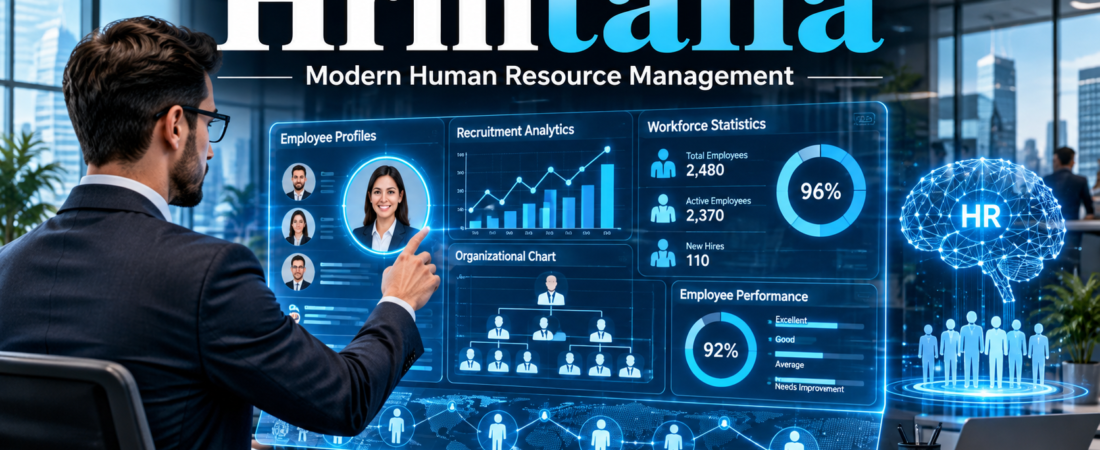
Technology continues to reshape how organizations operate, communicate, and manage their employees. Human resource management, once heavily dependent on paperwork, manual records, and repetitive administrative responsibilities, is increasingly influenced by digital platforms and intelligent automation. Within this changing environment, the term hrmtaila has started attracting attention among people interested in modern HR practices, artificial intelligence, and workplace management.
Hrmtaila is an emerging online term associated with AI-assisted human resource management and digital workplace solutions. Discussions surrounding it generally involve recruitment, employee administration, workforce planning, performance monitoring, and automation. Although these subjects represent genuine developments in modern business technology, the identity of hrmtaila itself remains uncertain.
Understanding hrmtaila therefore requires looking beyond the name. It is important to explore the HR technologies associated with the term, examine their practical applications, understand their potential advantages, and recognize the limitations of claims that have not been independently verified.
Hrmtaila Biography and Quick Facts
The following table provides an overview of the information currently associated with hrmtaila.
| Category | Information |
|---|---|
| Name | Hrmtaila |
| Common Association | Human Resource Management |
| Industry | Human Resources and Technology |
| Main Topic | Digital HR Management |
| Related Technology | Artificial Intelligence and Automation |
| Potential Applications | Recruitment and Employee Management |
| Workforce Focus | Employee Administration and Planning |
| Official Meaning | Not Confirmed |
| Founder | Not Verified |
| Company | Not Independently Established |
| Official Website | Not Confirmed |
| Software Availability | Not Verified |
| Current Status | Emerging Online Term |
These details should be understood as an overview of the keyword rather than the verified profile of an operating company or software provider.
What Is Hrmtaila?
Hrmtaila is an emerging term commonly associated with modern human resource management, artificial intelligence, and workplace automation. Online discussions use it when exploring how businesses can improve employee administration through digital technology.
Also read: JOI Database: Features, Dating Guides and Online Safety
The first three letters, HRM, are widely recognized as an abbreviation for Human Resource Management. This professional discipline covers the processes organizations use to recruit, develop, support, and manage their employees.
The complete meaning and origin of hrmtaila, however, have not been officially established.
The ideas connected with the term reflect a broader transformation in business operations. Organizations increasingly use digital systems to organize employee information, manage recruitment activities, coordinate attendance, and support workforce planning.
Instead of treating HR as a department responsible only for paperwork, modern businesses increasingly recognize it as an important contributor to organizational development.
Hrmtaila provides an opportunity to explore this changing relationship between people management and technology.
Understanding the Connection Between Hrmtaila and Modern HR Technology
Human resource management has changed considerably over the years. Traditional HR departments often relied on physical documents, spreadsheets, printed applications, and manually maintained employee records.
Although these methods worked for smaller organizations, they became difficult to manage as businesses expanded.
Modern HR technology introduces more organized approaches to these responsibilities. Digital systems can centralize employee information, simplify administrative tasks, and help managers access important workplace records.
The concept associated with hrmtaila reflects several important developments.
Digital employee management: Organizations can maintain structured employee profiles, employment histories, contact information, and professional records.
Administrative automation: Repetitive activities, including document preparation, reminders, and routine record updates, can be supported by automated processes.
Workforce analytics: Managers can examine workforce information to identify staffing requirements, training opportunities, and operational patterns.
Employee self-service: Digital portals can allow employees to access approved workplace information, request leave, and update selected personal details.
These capabilities already exist across established HR software solutions. Their association with hrmtaila should not be interpreted as proof that a specific product under that name provides them.
How Hrmtaila-Related Technology Works
Understanding how modern HR systems operate helps explain the technological ideas associated with hrmtaila.
Most digital HR environments combine employee information, software applications, automation tools, and reporting capabilities.
1. Collecting and Organizing Employee Information
Employee information is an important foundation of human resource management.
Organizations need accurate records covering employment history, professional qualifications, responsibilities, attendance, and relevant documentation.
Digital HR systems organize this information in structured databases. Authorized HR professionals can access the records they need without searching through multiple paper files.
Proper organization also makes it easier to maintain consistent employee information across departments.
2. Supporting Recruitment Activities
Recruitment requires considerable coordination. HR professionals must publish vacancies, review applications, communicate with candidates, arrange interviews, and maintain hiring records.
Technology can simplify several of these activities.
For example, recruitment software can organize incoming applications and identify relevant qualifications based on predefined job requirements.
Artificial intelligence can also assist with administrative screening and candidate communication.
However, automated recommendations should not independently determine whether someone receives an employment opportunity. Human review remains important for fair and responsible recruitment.
3. Managing Employee Onboarding
The onboarding process introduces new employees to an organization’s working environment.
It may involve employment documentation, workplace policies, training schedules, account creation, and introductions to relevant departments.
Digital onboarding systems help coordinate these activities through organized workflows.
They can send reminders, provide access to approved documents, and track outstanding requirements.
A structured onboarding experience helps new employees understand their responsibilities and become productive more efficiently.
4. Monitoring Workplace Performance
Employee performance management involves more than evaluating numerical targets.
It also includes professional development, communication, teamwork, individual achievements, and opportunities for improvement.
Digital HR tools can help managers organize performance reviews, maintain development records, and document agreed objectives.
When used responsibly, these systems encourage more consistent feedback and clearer professional expectations.
5. Generating Workforce Insights
Workforce analytics helps organizations understand staffing patterns and operational requirements.
For example, managers may examine employee turnover, recruitment timelines, training participation, and attendance trends.
These insights can support decisions about hiring, resource allocation, and employee development.
Nevertheless, data should always be interpreted within its proper context. Numerical information cannot explain every workplace situation.
Main Features Associated With Hrmtaila
Although specific commercial features have not been verified for hrmtaila, several capabilities are commonly associated with the HR technology discussed under this term.
Employee Information Management
Centralized employee records help organizations maintain consistent information. This reduces unnecessary duplication and makes administrative processes easier to organize.
Recruitment Coordination
Recruitment tools can organize job applications, maintain candidate records, and coordinate communication throughout the hiring process.
Attendance and Leave Administration
Digital attendance systems help businesses record working hours, monitor approved absences, and organize leave requests.
Payroll Administration Support
HR software can help maintain salary information, organize payroll records, and coordinate information required by payroll professionals.
Actual salary calculations and payments depend on the capabilities of the specific software being used.
Performance Management
Performance management tools support employee reviews, professional objectives, development planning, and structured feedback.
Reporting and Analytics
Reporting capabilities help HR departments transform workplace information into understandable summaries.
Employee Communication
Digital employee portals and communication tools make workplace information more accessible and help reduce unnecessary administrative questions.
It is important to remember that these are established HR software capabilities, not independently confirmed features of a specific hrmtaila application.
Benefits of Modern HR Management Technology
The growing interest in hrmtaila reflects a wider demand for more efficient workplace management.
Organizations face increasing pressure to improve productivity while maintaining positive employee experiences. Digital HR technology can contribute to these goals in several ways.
Improved Administrative Efficiency
Manual administrative work consumes valuable time. Organizing records, sending reminders, preparing documents, and coordinating routine requests can create a substantial workload.
Automation helps reduce repetitive activities and gives HR professionals more opportunities to focus on important responsibilities.
Better Information Organization
Centralized records make employee information easier to locate and maintain.
When information is organized correctly, managers can spend less time searching through documents and more time addressing operational priorities.
Stronger Employee Experiences
Employees benefit when important workplace processes are straightforward.
Accessible information, organized leave requests, clear onboarding procedures, and timely communication can create a more professional working environment.
More Informed Management Decisions
Workforce analytics provides managers with additional information when evaluating staffing requirements and organizational performance.
Although analytics cannot replace professional judgment, it can make planning more structured.
Greater Operational Consistency
Standardized workflows help organizations manage recurring HR activities in a consistent manner.
This becomes particularly valuable when businesses operate across multiple departments, offices, or geographical locations.
Potential Challenges and Limitations
Despite the advantages of modern HR technology, digital transformation also introduces important challenges.
Employee Data Privacy
HR departments handle confidential information, including employment records, salary details, contact information, and professional documentation.
Organizations must protect this information through appropriate security measures.
Access permissions, encryption, secure authentication, and clearly defined data retention policies are important considerations.
Artificial Intelligence Bias
AI-assisted recruitment and employee evaluation can produce unfair outcomes when systems rely on incomplete or biased information.
Organizations should regularly examine automated processes and ensure that important employment decisions receive appropriate human oversight.
Implementation Costs
Introducing new HR technology may require software subscriptions, employee training, technical support, and integration with existing business systems.
Companies should evaluate the total cost before making a purchasing decision.
Employee Adaptation
Not every employee immediately feels comfortable using unfamiliar digital tools.
Clear instructions, practical training, and accessible technical assistance can make the transition easier.
Unverified Product Information
Another important consideration surrounding hrmtaila is the uncertainty about its commercial identity.
Businesses should not assume that an online description represents a functioning product.
Before sharing employee information or purchasing a service under this name, organizations should independently verify the provider, official documentation, security policies, and customer references.
Is Hrmtaila a Real Software Platform?
This is one of the most important questions surrounding the keyword.
Although several online articles describe hrmtaila as an AI-powered HR management solution, publicly available information does not independently establish it as a recognized commercial software platform.
A verified developer, official product documentation, confirmed pricing structure, and independently established customer base have not been identified.
This distinction matters because a general technological concept and a commercially available product are not the same thing.
Artificial intelligence in human resource management is a genuine area of technological development. Established businesses already use digital systems to support recruitment, employee administration, workforce analytics, and related activities.
However, these developments do not automatically prove that a product named hrmtaila exists.
Readers should therefore approach specific product claims carefully and distinguish established industry capabilities from descriptions that have not been verified.
How Businesses Can Evaluate HR Management Software
Companies interested in the ideas associated with hrmtaila should focus on identifying practical requirements rather than choosing software based on an unfamiliar name.
Several considerations can help organizations make better decisions.
Identify business requirements: Determine whether the organization primarily needs recruitment support, employee records, attendance management, payroll coordination, or performance tracking.
Verify the provider: Check the company’s legal identity, official website, business history, and available support channels.
Examine security measures: Review encryption, access controls, authentication procedures, and data protection policies.
Evaluate integrations: Confirm whether the software works with existing accounting, payroll, communication, and business management applications.
Request a demonstration: A practical demonstration can help determine whether the system performs the functions advertised.
Compare total costs: Examine subscription fees, implementation expenses, training requirements, and additional charges.
Consider employee experience: Software should make workplace processes easier rather than introduce unnecessary complexity.
These steps provide a more reliable foundation for technology decisions than marketing descriptions alone.
The Future of Hrmtaila and Digital Human Resource Management
The future of human resource management will likely involve deeper integration between digital platforms, automation, and data-driven organizational planning.
Artificial intelligence is already influencing how companies organize recruitment activities, manage employee information, and analyze workforce requirements.
Future developments may make these processes more accessible and efficient.
Predictive workforce analytics could help businesses identify staffing needs earlier. Intelligent employee support systems may provide faster responses to routine questions. Automated workflows could also reduce delays in onboarding and administrative coordination.
However, technological progress must remain balanced with responsible management.
Employees are not simply data points within a business system. Their professional experiences, individual circumstances, privacy, and workplace relationships require careful consideration.
This is why human judgment will remain important even as organizations adopt more sophisticated digital tools.
Also read: Paradisehill: Meaning, Background, Features and Overview
For hrmtaila, its future identity and significance will depend on whether the term develops a clearer definition or becomes associated with a verifiable service. Until stronger evidence becomes available, its connection with modern HR technology is more meaningful than any unconfirmed product claims.
Why Hrmtaila Is Attracting Online Attention
Unfamiliar technology-related keywords often generate curiosity because readers want to understand their meaning and practical relevance.
Hrmtaila combines a recognizable reference to human resource management with discussions about digital transformation and artificial intelligence.
This combination makes it relevant to several audiences.
Business owners may be interested in improving administrative efficiency. HR professionals may want to understand emerging approaches to employee management. Technology enthusiasts may explore how AI is influencing traditional business departments.
The uncertainty surrounding the term also creates additional questions about its origin, ownership, availability, and practical applications.
For readers, the most valuable approach is to investigate the subject carefully rather than accepting every description as established fact.
Frequently Asked Questions (FAQs)
1. What is hrmtaila?
Hrmtaila is an emerging online term associated with artificial intelligence, human resource management, and workplace automation. It is commonly discussed in relation to recruitment, employee administration, and workforce planning. Its identity as a specific commercial product remains unverified.
2. What does hrmtaila stand for?
The letters HRM commonly stand for Human Resource Management. However, the complete meaning and origin of hrmtaila have not been officially established.
3. Is hrmtaila a real software platform?
There is currently insufficient independently verified information to establish hrmtaila as an operating commercial software platform. Its developer, official documentation, and product availability remain unconfirmed.
4. Who created hrmtaila?
The original creator or developer of hrmtaila has not been reliably identified. Readers should avoid accepting founder or ownership claims without credible supporting evidence.
5. What is the relationship between hrmtaila and artificial intelligence?
Online discussions associate hrmtaila with AI-assisted HR management. This includes broader technological applications such as recruitment assistance, automated administration, employee support, and workforce analytics.
6. Can small businesses benefit from HR management technology?
Yes. Small businesses can use digital HR systems to organize employee records, coordinate recruitment, manage leave requests, and reduce repetitive administrative work.
7. Does hrmtaila offer payroll management?
Payroll management is a common capability of established HR software solutions. However, no independently verified product documentation confirms that hrmtaila offers this particular service.
8. Is hrmtaila free to use?
No verified pricing information or official subscription structure has been established for hrmtaila. Any payment request associated with the name should be investigated before proceeding.
9. Does hrmtaila have an official website or mobile application?
A verified official website or mobile application for a commercial hrmtaila product has not been established through the available public information.
10. Is hrmtaila safe for businesses?
Its product-specific security cannot be assessed without identifying an actual provider and reviewing its security documentation. Businesses should avoid sharing confidential employee information with unverified services.
11. Why is human oversight important in AI-powered HR?
Human oversight helps ensure that employment decisions consider context, fairness, professional judgment, and individual circumstances. Automated recommendations should support HR professionals rather than replace their responsibility.
12. What is the future of hrmtaila?
The future of hrmtaila remains uncertain. It may continue to appear as an emerging keyword associated with digital HR management, or its meaning may become clearer if an identifiable organization or product establishes a verifiable connection with the name.
A More Informed Perspective on the Changing Workplace
Human resource management is moving toward more connected, accessible, and data-supported working environments. Businesses increasingly recognize that effective employee management requires a combination of reliable information, efficient processes, responsible technology, and meaningful human interaction.
Hrmtaila represents an interesting keyword within discussions about this transformation. Its association with AI-assisted HR practices provides an opportunity to explore how modern organizations can approach recruitment, employee administration, and workforce planning.
Nevertheless, understanding the difference between an emerging online term and a verified commercial service remains essential. Reliable information, transparent providers, and responsible technology adoption should always guide business decisions.
As workplace technology continues to develop, the most valuable progress will come from solutions that make organizations more efficient while preserving the human considerations at the center of every successful workplace